

English Language Learners (ELL)

Discover the HPPS Difference

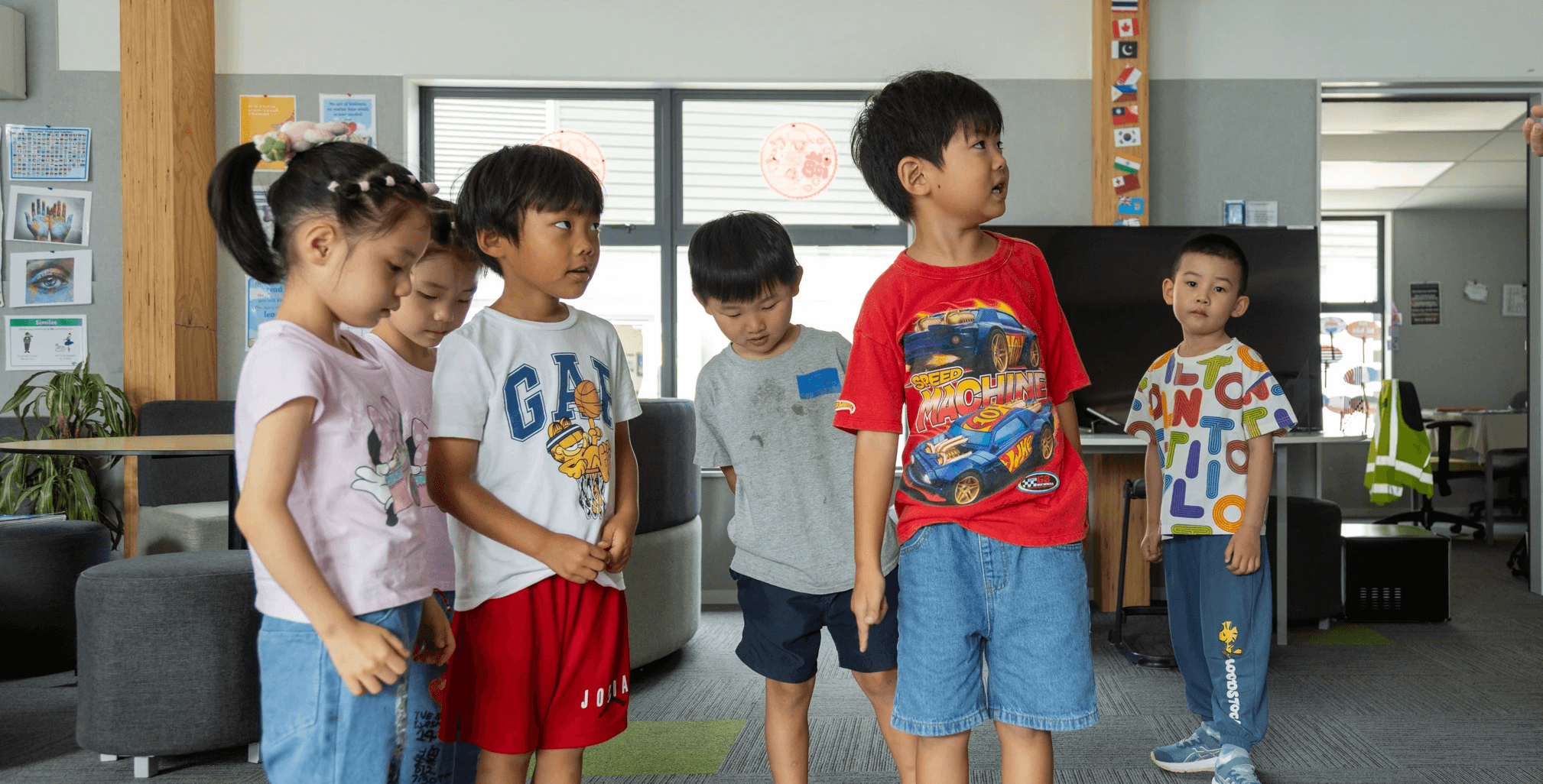
At Hobsonville Point Primary School, we take great pride in our English Language Learning (ELL) program. This program supports students from diverse cultural and language backgrounds, including New Zealand-born students who speak another language at home, migrants from non-English-speaking countries, and international students.

We are committed to ensuring every child receives expert support as they develop their English language skills, and our staff are trained and supported in meeting the diverse needs of our language learners.

Our ELL Program

Our highly qualified and experienced ELL teachers and teacher aides provide targeted support to help students develop their English skills. Depending on their individual learning needs, students may participate in specific lessons in our ELL classroom. These lessons focus on building listening, speaking, reading, and writing skills to help them succeed in both their schoolwork and everyday communication.

When appropriate, our ELL teachers use strategies from the Better Start Literacy Approach (BSLA)—explicit, systematic teaching of phonics, vocabulary, and oral language. These structured literacy approaches can be particularly effective for students learning English as an additional language, and our teachers draw on them alongside other evidence-based strategies to meet each student's needs.

Students' progress is assessed using the English Language Learning Progressions (ELLP), which helps track their development in English over time. This information allows us to celebrate progress with students and families, identify next learning steps, and ensure timely, targeted support.

Stages of Language Development

Students in our ELL program progress through two key stages of language learning:

1. Basic Interpersonal Communication Skills (BICS):
This focuses on conversational fluency—the English needed for everyday interactions with friends and teachers. This is often developed within 1–2 years.

2. Cognitive Academic Language Proficiency (CALP):
This is the more complex language needed for academic success—understanding subject-specific vocabulary, reading complex texts, and expressing ideas in writing. This can take 5–7 years to achieve, which is completely normal and expected. Our teachers understand this timeline and provide ongoing support as students build these sophisticated language skills.

Celebrating Bilingualism

We value and celebrate the languages children speak at home. Research shows that strong skills in a first language support the development of English. We encourage families to continue using their home language, as this strengthens children's overall language and cognitive development.

Supporting Your Child at Home

Keep using your home language:
Speaking your first language at home strengthens your child's overall language development and maintains important cultural connections.

Read together in any language:
Reading stories together—whether in English or your home language—builds vocabulary, comprehension, and a love of reading.

Practice English in everyday moments:
Talk about what you're doing during daily activities like cooking, shopping, or traveling. Repetition in natural contexts helps language stick.

Be patient and encouraging:
Language learning takes time. Celebrate small wins and maintain a positive, encouraging attitude about your child's progress.

Connect with your child's teachers:
We're partners in your child's learning journey. Please reach out with questions, share insights about your child's language use at home, or discuss any concerns.

Our Commitment

At HPPS, our ELL program is designed to honor the languages and cultures students bring while providing expert support for English language development. Our staff receive ongoing professional learning to ensure they have the skills and knowledge to meet the diverse needs of our language learners effectively.

We're excited to partner with you in supporting your child to become a confident bilingual learner.
01

Cultural Connection and Heritage

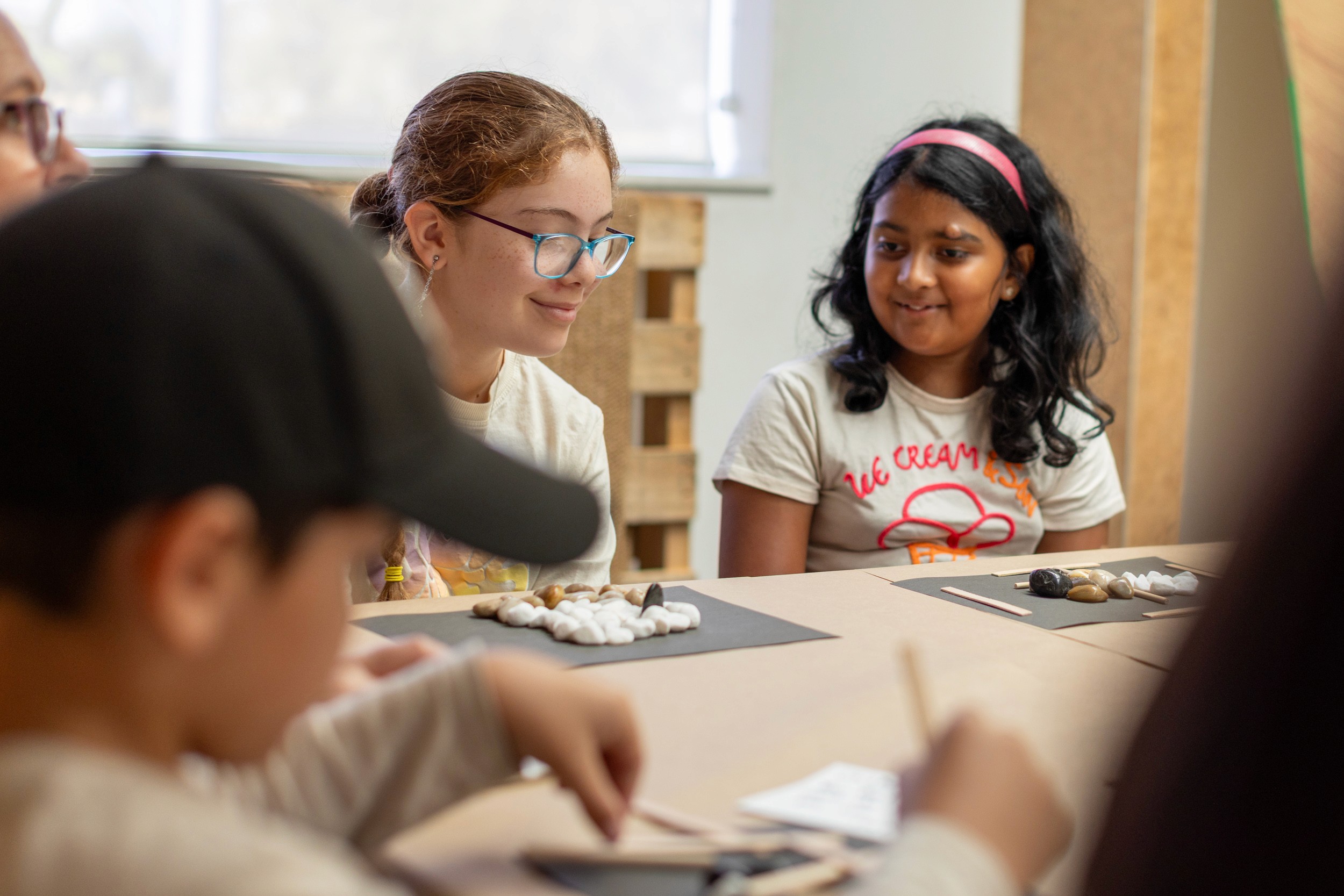
We value and celebrate the cultural diversity of our students. Through friendship groups and PINS (Passions, Interests, Needs) workshops, students are encouraged to share and celebrate their cultures within the school community.


We also recognise the importance of maintaining a strong connection to a student’s heritage and first language. Research shows that children who are confident in their first language often learn a second language, like English, more effectively.

01

Cultural Connection and Heritage

We value and celebrate the cultural diversity of our students. Through friendship groups and PINS (Passions, Interests, Needs) workshops, students are encouraged to share and celebrate their cultures within the school community.


We also recognise the importance of maintaining a strong connection to a student’s heritage and first language. Research shows that children who are confident in their first language often learn a second language, like English, more effectively.

01

Cultural Connection and Heritage

We value and celebrate the cultural diversity of our students. Through friendship groups and PINS (Passions, Interests, Needs) workshops, students are encouraged to share and celebrate their cultures within the school community.


We also recognise the importance of maintaining a strong connection to a student’s heritage and first language. Research shows that children who are confident in their first language often learn a second language, like English, more effectively.

01

Cultural Connection and Heritage

We value and celebrate the cultural diversity of our students. Through friendship groups and PINS (Passions, Interests, Needs) workshops, students are encouraged to share and celebrate their cultures within the school community.


We also recognise the importance of maintaining a strong connection to a student’s heritage and first language. Research shows that children who are confident in their first language often learn a second language, like English, more effectively.

02

Supporting Your Child at Home

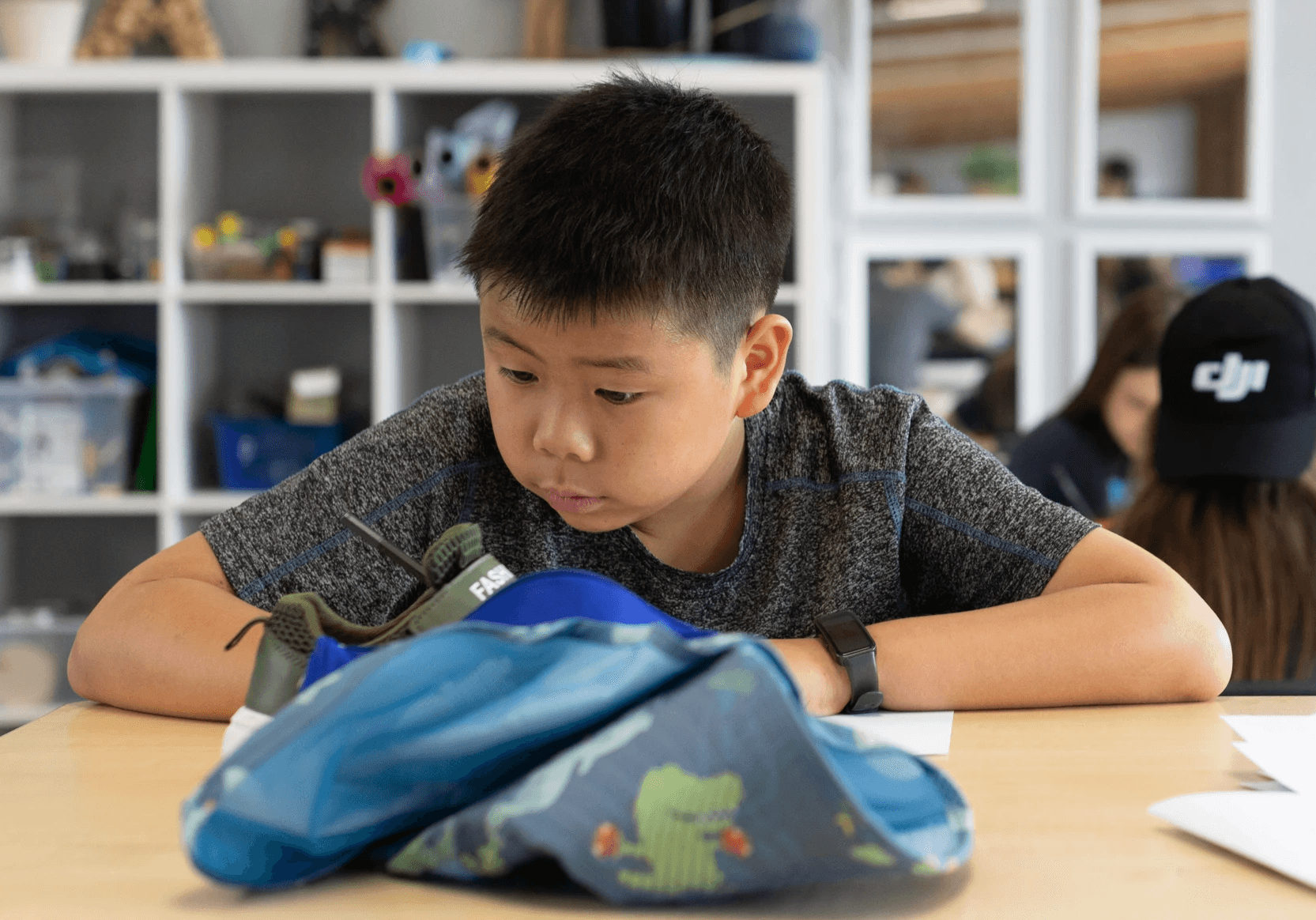
You play a vital role in supporting your child’s language development. Here are some ways to help:


  1. Spend time talking with your child about their day and their experiences.

  2. Read together regularly and encourage discussions about the stories and illustrations. Encourage your child to retell stories in their own words to build comprehension. “What happened in the story?” “The character first went ... then .. after … because … finally …”

  3. Support your child as they read their assigned texts, discussing the meaning and key ideas in your first language.

  4. Continue speaking your home language at home, as this strengthens their overall language development. 

02

Supporting Your Child at Home

You play a vital role in supporting your child’s language development. Here are some ways to help:


  1. Spend time talking with your child about their day and their experiences.

  2. Read together regularly and encourage discussions about the stories and illustrations. Encourage your child to retell stories in their own words to build comprehension. “What happened in the story?” “The character first went ... then .. after … because … finally …”

  3. Support your child as they read their assigned texts, discussing the meaning and key ideas in your first language.

  4. Continue speaking your home language at home, as this strengthens their overall language development. 

02

Supporting Your Child at Home

You play a vital role in supporting your child’s language development. Here are some ways to help:


  1. Spend time talking with your child about their day and their experiences.

  2. Read together regularly and encourage discussions about the stories and illustrations. Encourage your child to retell stories in their own words to build comprehension. “What happened in the story?” “The character first went ... then .. after … because … finally …”

  3. Support your child as they read their assigned texts, discussing the meaning and key ideas in your first language.

  4. Continue speaking your home language at home, as this strengthens their overall language development. 

02

Supporting Your Child at Home

You play a vital role in supporting your child’s language development. Here are some ways to help:


  1. Spend time talking with your child about their day and their experiences.

  2. Read together regularly and encourage discussions about the stories and illustrations. Encourage your child to retell stories in their own words to build comprehension. “What happened in the story?” “The character first went ... then .. after … because … finally …”

  3. Support your child as they read their assigned texts, discussing the meaning and key ideas in your first language.

  4. Continue speaking your home language at home, as this strengthens their overall language development. 

Helpful resources: Please click on the images below to find some useful information on the importance of reading in your first language.


Innovate. Engage. Inspire.

Whāia te iti Kahurangi
Reach for the Sky

© Copyright Hobsonville Point Primary School

Innovate. Engage. Inspire.

Whāia te iti Kahurangi
Reach for the Sky

© Copyright Hobsonville Point Primary School

Innovate. Engage. Inspire.

Whāia te iti Kahurangi
Reach for the Sky

© Copyright Hobsonville Point Primary School